Research
Research interests
My research interests lie in how bacteria, the bacteriophages that infect them and their hosts interact, and in how these interactions shape infection and antibiotic resistance.
Research theme 01
Phage therapy
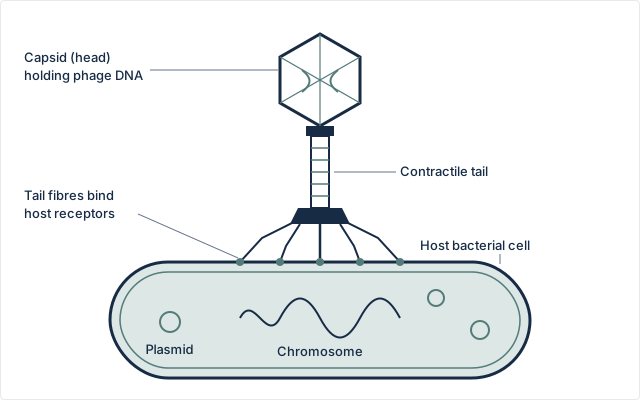
Bacteriophages, or phages, are viruses that infect bacteria. Lytic phages use the host cell to make new phage particles and release them by bursting the cell, while temperate phages can integrate into the host genome and remain dormant. Because a phage usually infects a narrow range of bacterial strains, it can target a pathogen while sparing much of the surrounding microbiota.
Why it matters
Rising antibiotic resistance has renewed interest in phage therapy as a complement or alternative to antibiotics. Using phages well depends on understanding how they find, infect and propagate in their hosts, how bacteria resist infection, and how phages can be produced reliably.
My master’s thesis asked how host cell density and culture-derived molecules affect bacteriophage propagation when hosts are scarce.
Related work
Research theme 02
Host–pathogen interactions
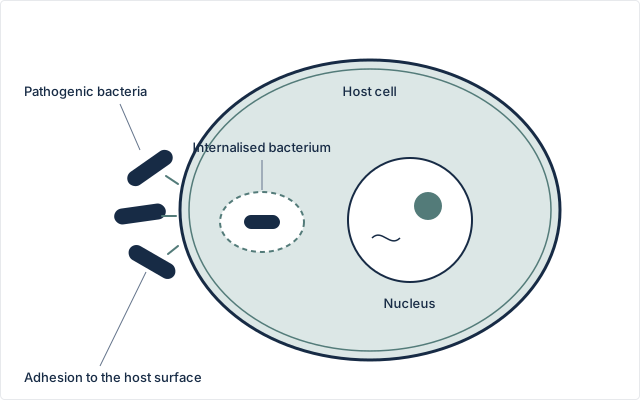
Infection is shaped by interactions between a pathogen and its host: how microbes attach to and enter host cells, acquire nutrients and evade defences, and how the host’s cells and immune system detect and respond to them. The same interactions determine whether an infection is cleared, persists or causes disease.
Why it matters
Translational bioscience aims to turn this mechanistic understanding into better diagnostics, therapies and preventive strategies. Host–pathogen interactions are a core research interest of my doctoral studies in Translational Biosciences at the University of Missouri.
Related work
Research theme 03
Antibiotic resistance
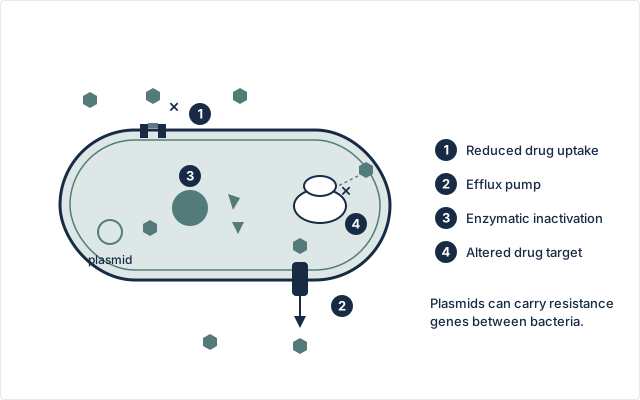
Bacteria become resistant to antibiotics through mutations and by acquiring resistance genes from other bacteria, often on plasmids and other mobile genetic elements. Common mechanisms include reduced drug uptake, efflux pumps that expel the drug, enzymes that inactivate it, and changes to the drug’s target.
Why it matters
Food animals and food products can carry resistant bacteria, making them potential reservoirs from which resistance can spread. My undergraduate thesis tested E. coli isolated from raw beef in Dhaka against 20 antibiotics and examined their plasmid profiles. All 17 isolates were resistant to penicillin and oxacillin, and two were resistant to 15 of the antibiotics tested.
Related work
Current research
Doctoral research
I am a PhD student in the Translational Biosciences programme at the University of Missouri–Columbia, advised by Dr. Pamela Brown in the Division of Biological Sciences.
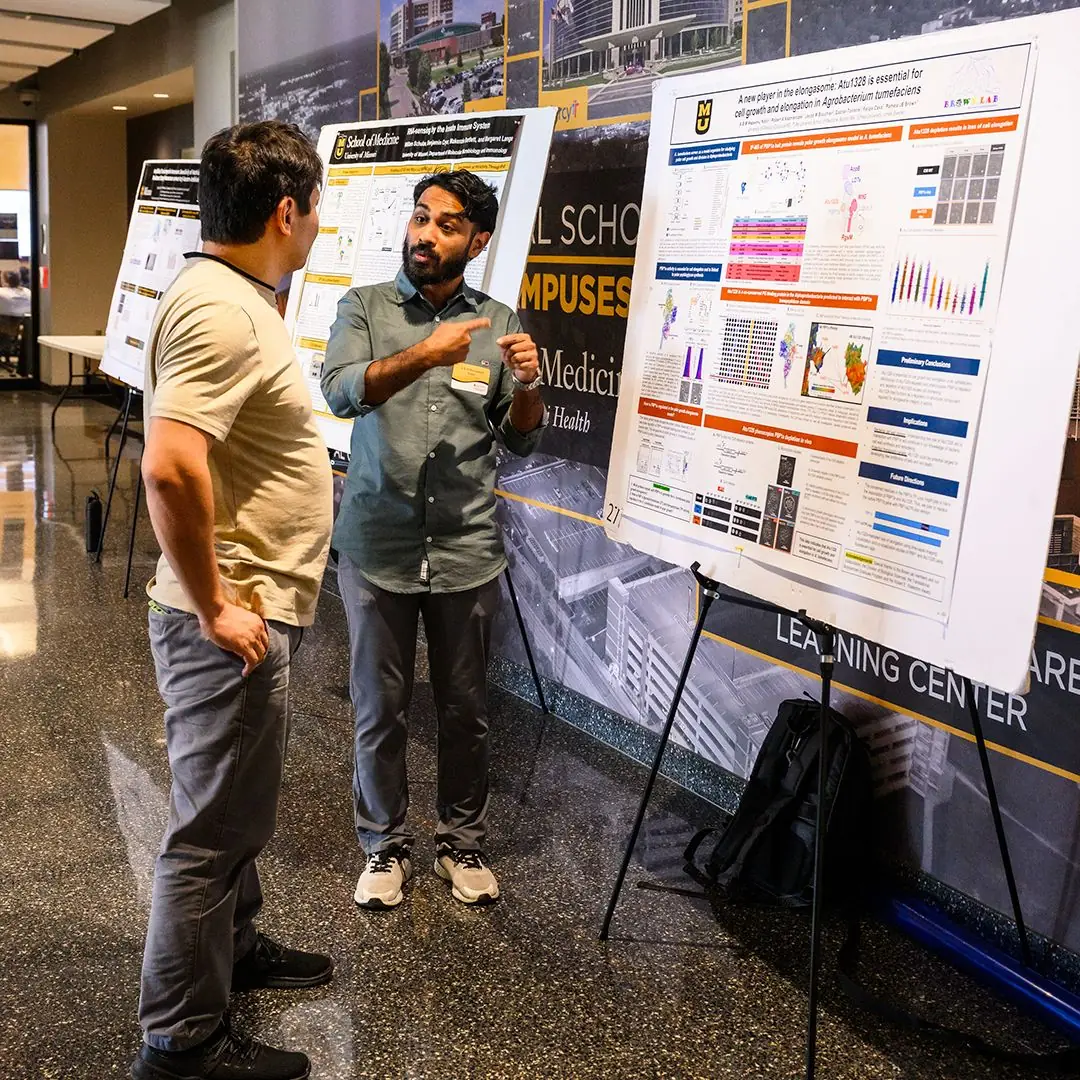
My current research in the Brown Lab examines how the plant pathogen Agrobacterium tumefaciens grows and elongates its cells, work I have presented as a research poster. Bacterial cell growth depends on building and remodelling the cell wall, a process targeted by many antibiotics.
Related publication
Book chapter · De Gruyter · 2023
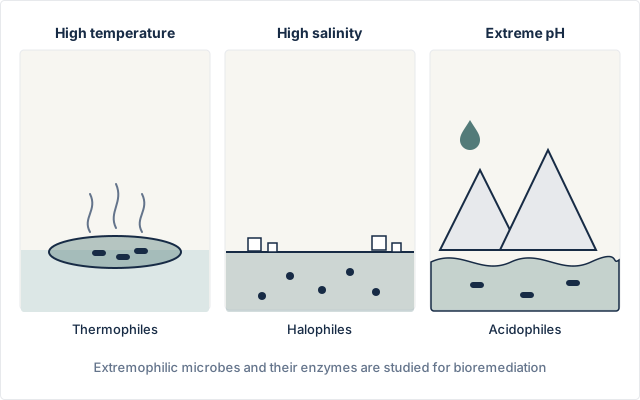
An Overview of Extremophiles as Microbial Armament for Bioremediation
Extremophiles are microorganisms that thrive in conditions such as high temperature, high salinity or extreme pH. This co-authored chapter gives an overview of extremophiles as tools for bioremediation, the use of microbes to break down or remove environmental pollutants.